Walking vs Running Shoes: Which One Should You Buy?
Compare cushioning, support, drop and durability before you pick your next pair — for daily steps or serious mileage.
⚡ Quick Answer
Running shoes are built for higher impact, forward motion and speed — more cushioning, a secure heel counter and a durable outsole for repeated strikes. Walking shoes prioritize all-day comfort, a stable heel-to-toe roll and a roomier fit for hours on your feet. If you’re mostly walking, get walking shoes; if you run regularly (even a little), a versatile neutral running shoe usually works for both.
🚶 Choose Walking Shoes If
- ✓ You mostly log daily steps, errands, or long standing shifts
- ✓ You travel a lot and want one comfortable all-day pair
- ✓ You want a roomier, more stable fit rather than a sporty one
- ✓ Your routine is 70%+ walking with little to no running
- ✓ You prioritize comfort and stability over speed and performance tech
🏃 Choose Running Shoes If
- ✓ You run or do run-walk training 3+ days a week
- ✓ You’re training for a 5K, 10K or half-marathon
- ✓ You want maximum cushioning to protect your joints
- ✓ You mix jogging, treadmill and outdoor runs regularly
- ✓ You want one shoe that also handles long walks safely
Walking vs Running Shoes: At a Glance
A quick side-by-side view. Scroll sideways on mobile to see the full table.
| Feature | Walking Shoes | Running Shoes |
|---|---|---|
| Primary Use | Daily walking, long standing, travel, errands | Running, run-walk training, fitness workouts |
| Cushioning | Moderate — focused on comfort and stability | Moderate to max — focused on impact absorption |
| Heel-to-Toe Drop | Often lower to mid drop for a natural roll | Wide range (5–12mm); beginners often do well with 6–12mm |
| Flexibility | Very flexible forefoot for a smooth roll | Flexible but balanced with cushioning and stability |
| Weight | Slightly heavier on average | Often lighter, especially daily trainers |
| Support | Emphasis on all-day comfort and arch support | Emphasis on impact protection, gait support and stability |
| Durability for Running | Not recommended for serious running | Designed to handle repeated high-impact strides |
| Best Surfaces | Pavement, floors, light trails | Roads, tracks, treadmills, some light trails (model-dependent) |
Walking Shoes: Pros & Cons
✓ Pros
- ✓ All-day comfort, built for long periods on hard floors, travel and standing shifts
- ✓ Stable heel-to-toe roll, with the midsole and drop tuned for walking mechanics
- ✓ Often wider and roomier — better for swollen feet or long days on your feet
- ✓ Good for flat surfaces like malls, offices, airports and city walks
✕ Cons
- ✓ Not ideal for serious running — lack the cushioning and structure for repeated high-impact strides
- ✓ Can feel heavier or less “sporty” than modern running shoes
- ✓ Usually skip the advanced foams or speed-oriented tech found in running shoes
Running Shoes: Pros & Cons
✓ Pros
- ✓ Superior cushioning — thick foam midsoles absorb repeated impact and protect joints
- ✓ Built for higher speeds, lighter and more responsive for intervals and tempo runs
- ✓ Better for run-walk programs — safe for both easy runs and brisk walks
- ✓ More technology options: stability, neutral, max-cushion and lightweight trainers
✕ Cons
- ✓ Can be overkill for casual walking — very soft or high-stack shoes may feel unstable for slow, all-day wear
- ✓ Narrower fit in some models, so not always ideal for wide feet without choosing specific models
- ✓ Good running shoes often cost more than basic walking sneakers
Who Should Choose What?
Daily Walker
Logs 8K–15K+ steps a day through errands, commuting or general activity.
WalkingLong Standing Shifts
Works retail, healthcare or hospitality hours mostly on their feet.
WalkingFrequent Traveler
Wants one comfortable, roomy pair for sightseeing and airports.
WalkingFirst-Time Runner
Starting a run-walk plan or training for a first 5K or 10K.
RunningFitness Enthusiast
Mixes jogging, treadmill sessions and outdoor runs through the week.
RunningDo-It-All Trainer Seeker
Wants one shoe that’s comfortable for long walks and safe for easy runs.
RunningHow to Choose: Quick Checklist
Work through these checks before adding a pair to your cart.
Example Shoes to Consider
A starting shortlist across both categories — swap in the live product data before publishing.
Best Walking Shoes
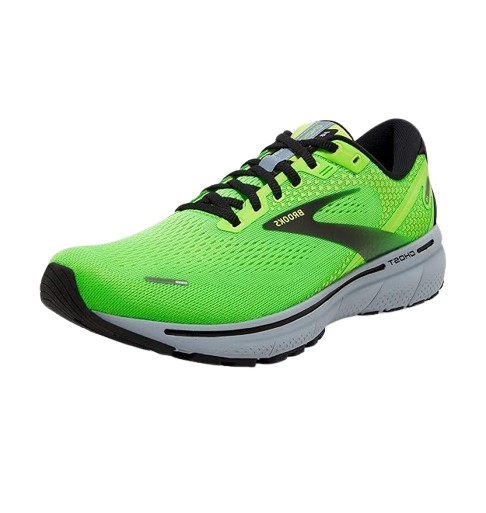
Ghost 18 (Walking & Easy Run Hybrid)
- • Soft, smooth cushioning for all-day comfort
- • Breathable mesh upper
- • Comfortable for long standing shifts
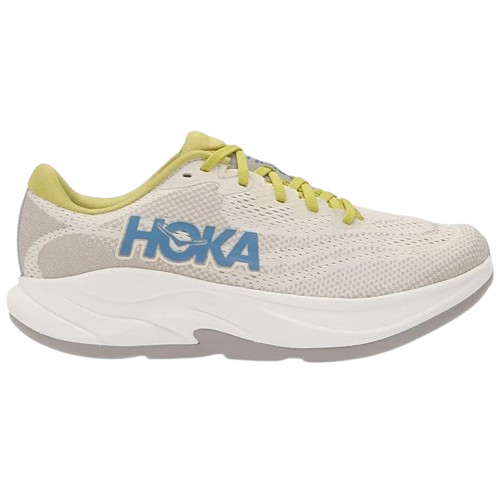
Bondi 9
- • Very thick compression-molded foam for joint support
- • Smooth rocker sole for an easy heel-to-toe transition
- • Great for long walks, travel and standing shifts
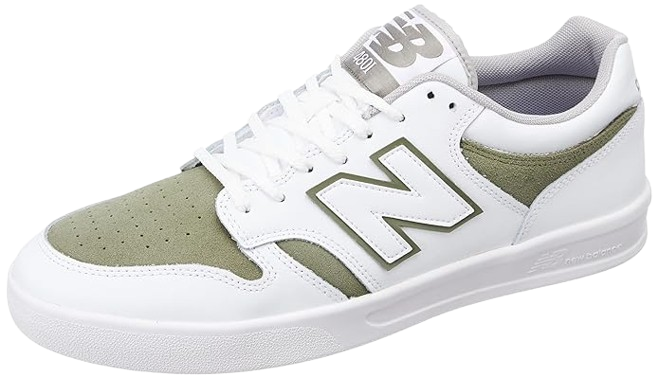
608 V5 (Casual Walking & Gym)
- • ABZORB cushioning in the midsole
- • Durable suede upper, casual style
- • Multiple widths available — good for wide feet
Best Running Shoes

Ghost 17
- • No break-in needed
- • 12mm drop, ideal for heel-strike beginners
- • Wide range of widths, including extra-wide

Clifton 9
- • Lightweight with thick, soft foam
- • 5mm drop for a more natural feel
- • Great for long easy runs and long walks

Pegasus 41/42
- • Balanced cushioning and responsiveness
- • Works for a wide range of foot types and paces
- • Durable outsole for daily training
Why Trust YuvanStyle
We compare cushioning, fit, durability and real-world use before making a recommendation.
Independent Research
Every recommendation is checked against cushioning, drop and build quality, not marketing claims.
Clear Comparisons
We lay out support, cushioning, weight and price side by side so you can decide quickly.
Regular Reviews
Prices and lineups change often, so this guide is reviewed and updated periodically.
Affiliate Transparency
We earn a small commission on qualifying purchases, at no extra cost to you.
More Sneaker Buying Guides
Frequently Asked Questions
Yes. Most neutral running shoes are excellent for walking, especially daily trainers like the Brooks Ghost or Hoka Clifton — they offer great cushioning and support for long walks.
For very light jogging, maybe. But for regular running or a training plan, walking shoes don’t have enough impact protection and can increase injury risk. A dedicated running shoe is the safer choice.
If you’re planning run-walk training or to run consistently, start with running shoes. If you’re mostly walking and might add light jogging later, a comfortable neutral running shoe or a high-quality walking shoe both work well.
For beginners, a drop between 6–12mm is usually comfortable and supportive for both walking and easy running. Lower-drop shoes feel more natural but ask more of your calves and Achilles.
It can help. Consider stability running shoes or walking shoes with good arch support if you have flat feet or overpronate; normal to high arches usually do fine with standard neutral options.
It comes down to feel and mileage: max-cushion shoes give a plush, cloud-like ride for high mileage or joint protection, neutral daily trainers give a balanced feel for most people, and firmer stability shoes suit those who want more ground feedback and structure.
Leave a thumb’s width of space in front of your longest toe, make sure there’s no pinching at the sides or top, and check that your heel doesn’t slip when you walk or jog. Running shoes especially should feel comfortable from the very first wear.
If your budget allows and you do a meaningful amount of both, yes — a dedicated walking shoe for all-day comfort and a running shoe for training sessions each does its job better than one shoe trying to do everything.