Sunglasses for Night Driving: Do They Actually Help?
“Night driving glasses” come with bold visibility claims. Here’s what tinted lenses really do after dark, and what genuinely helps you see better.
What Should You Do About Night Glare?
Pick your situation and jump to the answer.
Highway Night Driver
Oncoming high beams on long stretches. AR coating cuts the halo.
See Our AR Pick →City Commuter After Dark
Mixed headlights and streetlights make glare worse.
How AR Coating Works →Night Vision Got Worse
A new prescription may help more than any new glasses.
Who Should Buy What →Tempted by Yellow Lenses
Tinted lenses reduce the light you already have too little of.
See the Comparison →⚡ Do Sunglasses Help With Night Driving?
No. Sunglasses, tinted or otherwise, should not be worn while driving at night. Any tint reduces the light reaching your eyes when you already have the least. What genuinely helps is clear lenses with an anti-reflective (AR) coating, which cuts the starburst and halo effect from LED and HID headlights without darkening your vision. Treat yellow or amber “night driving” claims with caution.
✓ What Actually Helps at Night
- ✓ Clear lenses with a genuine anti-reflective coating
- ✓ A clean, scratch-free windshield and lenses
- ✓ An up-to-date prescription if you wear corrective lenses
- ✓ Looking slightly down and away from oncoming headlights
- ✓ Properly adjusted headlights and mirrors
✕ What Doesn’t Help
- ✕ Yellow or amber “night driving” tinted glasses
- ✕ Any tinted sunglasses worn after sunset
- ✕ Polarized lenses used to reduce headlight glare
- ✕ Very dark or mirrored lenses of any kind after dark
Why Night Driving Feels Harder Than It Used To
Modern LED and HID headlights are brighter and whiter than older halogen bulbs, and they’re increasingly common on Indian roads. That extra brightness creates more glare, especially when oncoming traffic is at eye level or a car behind you has poorly adjusted high beams. A windshield with fine scratches or a film of dust scatters the light even more, creating the starburst or halo many drivers describe.
Your eyes also work differently at night. Pupils widen to let in more light, so anything that reduces the total light reaching your eyes, including a tinted lens, works against your night vision when you need it most.
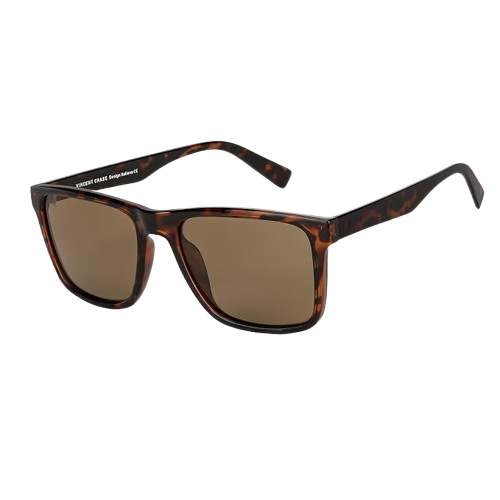
Vincent Chase By Lenskart | Full Rim Square | Clear AR-Coated
- • Clear, non-tinted lens, no loss of usable light
- • Anti-reflective coating to reduce headlight halo and starburst
- • Lightweight frame for long evening drives
Tinted vs Clear Lenses: What Happens at Night
Scroll sideways on mobile to see the full table.
| Lens type | Effect at night | Recommended? |
|---|---|---|
| Yellow / amber tinted | Reduces total light reaching the eye. Marketed as glare-cutting, but not proven for true night use | Not recommended |
| Dark / mirrored tinted | Significantly reduces visibility in already low light | Not recommended |
| Polarized | Built for daytime reflected glare, not headlight glare. The tint is unnecessary at night | Not for night use |
| Clear, no coating | No tint issue, but no help with starburst or halo either | Acceptable, not optimal |
| Clear with AR coating | Reduces reflections and glare scatter without dimming your vision | Recommended |
What Anti-Reflective Coating Actually Does
✓ How It Helps
- ✓ Reduces reflections bouncing around inside the lens
- ✓ Cuts the halo and starburst around bright headlights
- ✓ Doesn’t reduce the overall light reaching your eyes
- ✓ Works on clear prescription or non-prescription lenses
✕ What It Won’t Do
- ✕ It won’t turn a poor-quality lens into a great one
- ✕ It doesn’t fix an outdated prescription or blurry vision
- ✕ It’s no substitute for a clean windshield and properly aimed headlights
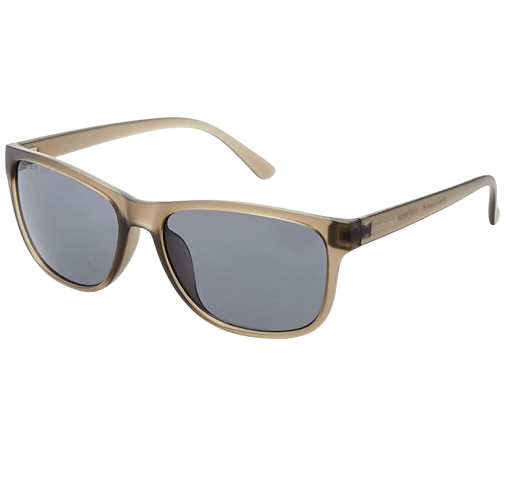
Fastrack Clear Lens | Full Rim | AR-Coated Frame
- • Entry-level AR coating at a lower price point
- • Clear lens, no tint
- • Good for occasional evening commutes
What to Avoid When Buying “Night Driving Glasses”
Who Should Consider Anti-Glare Night Driving Glasses?
Frequent highway night drivers
Regularly face oncoming high beams on long night stretches.
Clear + AR coatingCity commuters after dark
Drive through streets with mixed headlight types and streetlights.
Clear + AR coatingAnyone noticing reduced night vision
Finds night driving harder than it used to be, without a clear reason.
See an optometrist first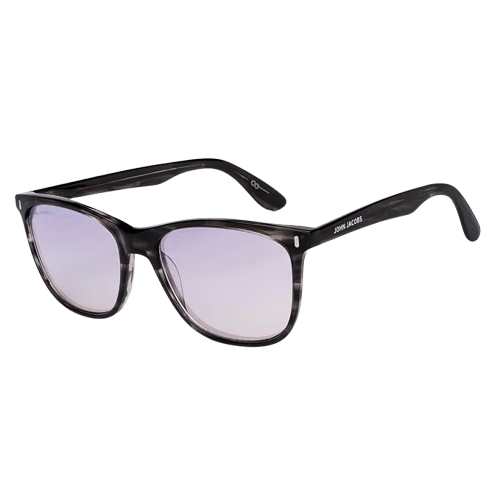
John Jacobs Clear Lens | Multi-Layer AR Coating
- • Multi-layer AR coating for longer-lasting glare reduction
- • Scratch-resistant coating included
- • Premium frame build quality
How to Choose: Quick Checklist
Where Tinted and Polarized Sunglasses Do Belong
Tinted and polarized sunglasses are not a night-driving tool, but they’re useful in daylight. Polarized lenses cut glare off roads, bonnets and wet tarmac, and a tinted lens with proper UV protection makes bright days more comfortable.
If you want a pair for sunny drives, the daytime picks on this page are for that. Take them off before the sun goes down.
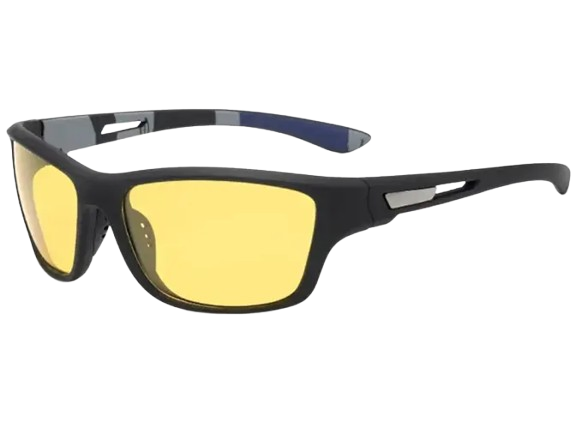
ELEGANTE Men Square Polarization Sunglasses
- • Square-frame design with yellow lenses
- • Polarized sunglasses
- • For daytime outdoor use. Remove after sunset
Why Trust YuvanStyle
We won’t recommend a tinted product for night use just because it’s marketed that way.
Safety First
We put responsible advice ahead of product claims on driving topics.
Clear Comparisons
Tinted vs clear, coating vs no coating, laid out plainly.
Regular Reviews
Availability changes often, so this guide is reviewed periodically.
Affiliate Transparency
We earn a small commission on qualifying purchases, at no extra cost to you.
More Sunglasses Buying Guides
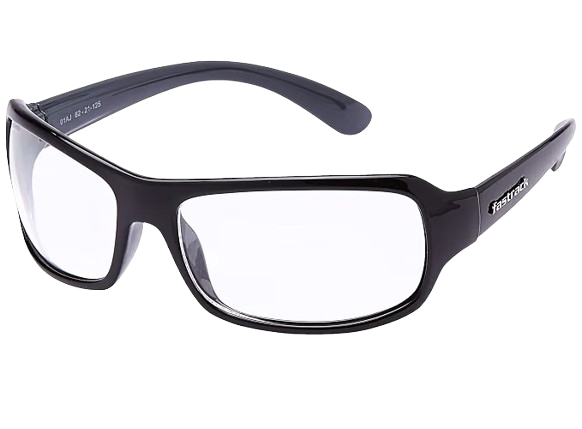
Fastrack *380-390 UV Protected Wraparound Sunglasses for Men
- • UV-protected lenses for everyday outdoor use
- • Wraparound design with a sporty look
- • Transparent frame colour, Size L
Our Verdict on Night Driving Glasses
Skip tinted “night driving sunglasses” entirely. If headlight glare bothers you, choose clear lenses with a genuine anti-reflective coating.
If night vision problems persist despite clean lenses and a good coating, an eye check is a more reliable next step than a different pair of glasses.
Sunglasses for Night Driving: FAQs
Do yellow-tinted glasses actually help with night driving?+
There’s no solid evidence that yellow tints improve night vision. They reduce the total light reaching your eyes, which generally works against visibility in already low-light conditions.
What actually reduces headlight glare while driving at night?+
Clear lenses with a genuine anti-reflective coating, a clean and scratch-free windshield, properly aimed headlights, and an up-to-date eyeglass prescription all make a bigger practical difference than a tinted lens.
Is it safe to wear polarized sunglasses at night?+
No. Polarized lenses are built for daytime reflected glare, and any tint at night reduces the light your eyes need in already dim conditions.
Why do headlights look like they have starbursts around them?+
Usually light scattering through a scratched or dirty windshield or lens surface, more noticeable with brighter LED or HID headlights. Anti-reflective coating and a clean windshield both help.
Should I see an eye doctor if night driving feels harder than before?+
Yes, if the change is noticeable or recent. Reduced night vision can be a sign of an outdated prescription or an underlying eye condition, so rule that out rather than assuming a product will fix it.
Are anti-reflective coatings worth paying extra for?+
For frequent night drivers, yes. A genuine multi-layer AR coating meaningfully reduces glare-related discomfort. Cheaper single-layer coatings tend to wear off faster and may not perform as well over time.
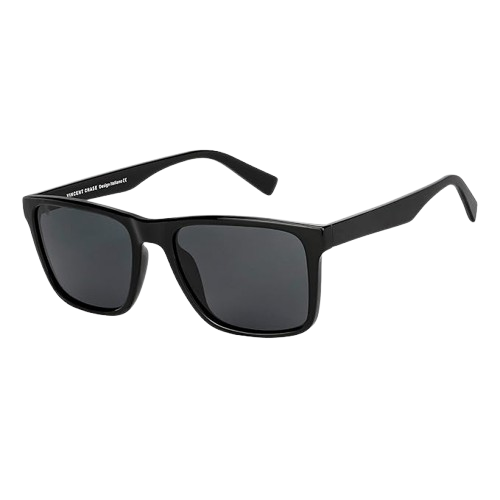
Vincent Chase By Lenskart Full Rim Square Polarized Stylish Sunglasses
- • Polarized stylish square-frame design
- • 100% UV protected lenses
- • Full-rim frame suitable for men & women