Best Everyday Sneakers for Men in India
One pair usually has to handle the commute, the college corridor, evening walks and a lot of heat and dust. These nine picks are grouped by how you’ll actually wear them, so you can stop comparing and decide in a minute.
Which sneaker should you buy?
Pick the line that sounds like you and tap through. Full cards, drawbacks and price ranges are below.
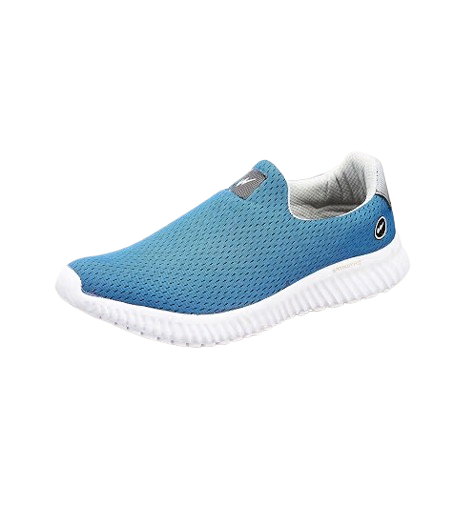
Campus Oxyfit Walking-Style Sneakers
The most sensible single pair if you want one shoe for commuting, college and evening walks without overthinking it. The mesh upper stays bearable through Indian summers, and it’s light enough that you forget about it by evening.
The 9 sneakers worth your money
Each one is here for a different reason — budget, width, weight, comfort or how formal it looks. Nothing made the list only because the logo is famous.
Want to see today’s prices first?
Sneaker prices move a lot during Amazon sale weeks. Our deals page tracks the current drops across sneakers, watches, wallets and sunglasses.
View DealsDisclosure: YuvanStyle may earn a commission when you buy through our links, at no extra cost to you. It never changes which products we shortlist.
Price ranges are indicative and change with size, colour and seller. Check the product page for the live price.
Side-by-side comparison
Qualitative ratings based on published specs, materials and user feedback — not lab measurements. Scroll sideways on mobile.
| # | Sneaker | Best for | Comfort | Style range | Weight feel | Breathability | Approx. price | Main drawback | Price |
|---|---|---|---|---|---|---|---|---|---|
| 1 | Campus Oxyfit | One-pair everyday use | Very good | Good | Light | Excellent | ₹1,200 – ₹1,800 | Sporty look only | Check |
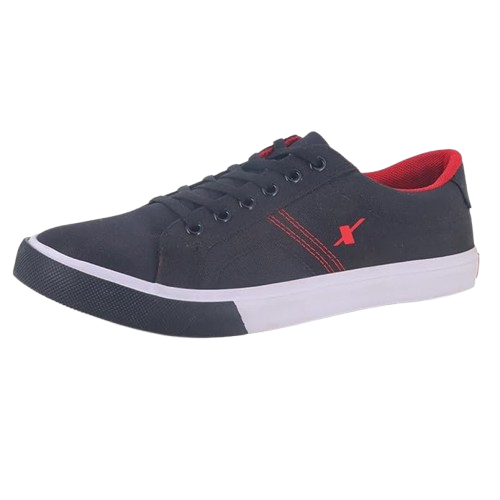
| 2 | Sparx Lace-Up Casual | Tight budgets, second pair | Good | Good | Light | Very good | ₹900 – ₹1,500 | Shorter midsole life | Check |
| 3 | Asian Wonder-13 | Wide feet, walking | Very good | Average | Medium | Very good | ₹1,000 – ₹1,600 | Limited style versatility | Check |
| 4 | Red Tape Cushioned Walker | Long walks, high step counts | Excellent | Good | Medium | Good | ₹1,500 – ₹2,500 | Heavier build | Check |
| 5 | Puma Smash v2 | Office-casual, smart outfits | Good | Excellent | Medium | Average | ₹2,500 – ₹3,500 | Warm in peak summer | Check |
| 6 | Adidas Grand Court | Style versatility, gifting | Very good | Excellent | Medium | Average | ₹2,800 – ₹4,000 | Narrow fit | Check |
| 7 | Nike Revolution 7 | Light feel, long days | Very good | Good | Very light | Excellent | ₹3,000 – ₹4,500 | Outsole wears quickly | Check |
| 8 | Puma Softride | Daily walkers, commuters | Excellent | Good | Medium | Very good | ₹3,500 – ₹5,000 | Sporty appearance | Check |
| 9 | Skechers Go Walk | Standing all day, travel | Excellent | Good | Very light | Very good | ₹4,000 – ₹6,500 | Highest price here | Check |
Pick by how you’ll wear them
Same shortlist, sorted by the situation you’re actually buying for.
What actually matters when you’re choosing
Six things worth checking. The rest is mostly marketing.
Types and fit, in short
Two quick checklists that stop most bad purchases.
Which type suits you
- Everyday sneakers — balanced cushioning and looks. The safe default if you’re buying one pair.
- Walking shoes — softer sole, roomier fit, sporty look. Best if you walk long and don’t need them to pass as casual footwear.
- Running shoes worn casually — comfortable, but the narrow heel and bright mesh rarely work with jeans or office wear.
- Lifestyle sneakers — styled first, comfort second. Great for outings, tiring for a full day of standing.
- Chunky sneakers — strong look, more weight. Fine for college, less fine for a 12-hour day.
- Low-profile sneakers — the most outfit-flexible, and the least forgiving on hard floors.
Getting the fit right
- Leave roughly a thumb’s width between your longest toe and the front.
- Your heel should stay put when you walk. Slight lift is normal; sliding is not.
- Try them on in the evening — feet swell through the day, and more so in Indian heat.
- Wear the socks you’ll actually use. Thin no-show socks change the fit noticeably.
- Too small: numb toes, pressure on the little toe, laces feel tight over the top.
- Too large: heel slipping, toes sliding forward on slopes, you keep over-tightening the laces.
- Good sneakers need a few wears to soften, not weeks of pain. Real pain on day one means wrong size.
What each budget realistically gets you
Indian pricing, rough but honest.
Returns set in early. A ₹3,000 sneaker is usually a big step up from a ₹1,200 one. A ₹9,000 sneaker is rarely three times better than a ₹3,000 one — you’re paying for materials, brand and finishing, not triple the comfort. Buying a well-reviewed pair on sale beats stretching for a premium model at full price.
7 mistakes that cost people money
Most returns come down to one of these.
The silhouette you liked in a photo is the one you’ll take off at 6 pm. Decide how far you walk first, then pick a look that fits that.
A longer shoe with the same narrow last still pinches the little toe — and now your heel slips too. Change the brand, not the size.
UK sizing varies between Indian and international brands, and even between models. Check the specific model’s size feedback before ordering.
Price buys materials and finishing. Comfort comes from fit. A well-fitted ₹2,500 pair beats a badly fitted ₹8,000 one every single day.
Flat, shallow-tread soles are genuinely risky on wet tile and marble. Look for visible tread depth if you walk in the rain.
White looks great for two weeks. If you commute by two-wheeler or walk on unpaved roads, budget for weekly cleaning or choose synthetic leather over textile.
Running shoes are built for forward motion, not for standing, styling or gym floors. As a single pair, an everyday sneaker serves you better.
Frequently asked questions
Which sneakers are best for everyday wear in India?
For one pair that handles commuting, college and evening walks, look for a mesh or knit upper, a rubber outsole with visible tread and moderate cushioning. Campus and Sparx cover this well under ₹2,000, while Puma and Adidas low-profile models suit office-casual outfits better.
How much should I spend on a good pair of sneakers?
₹1,500 to ₹3,000 is the value sweet spot in India. Below that you get usable daily sneakers with simpler soles and shorter life. Above ₹5,000 you mainly pay for better foam, materials and finishing, which is worth it if you walk a lot or stand all day.
Can I wear running shoes as casual sneakers?
You can, and they’ll be comfortable, but they rarely look right with jeans or office wear. Running shoes have narrow heels, bright mesh and aggressive soles built for forward motion. If style versatility matters, a low-profile everyday sneaker is the better single purchase.
Which sneakers are best for wide feet?
Look for brands with a wider last rather than sizing up — a longer shoe with a narrow toe box still pinches. Indian value brands like Asian and Campus generally run roomier across the forefoot than slim court silhouettes such as the Adidas Grand Court.
How should sneakers fit?
Leave about a thumb’s width in front of your longest toe, with the heel held firmly and no side pressure on the little toe. Try them in the evening with the socks you’ll actually wear. Mild break-in is normal; real pain on day one means the size or width is wrong.
Are white sneakers practical for Indian conditions?
They look sharp and go with everything, but dust and monsoon slush show immediately. If you commute on a two-wheeler or walk on unpaved roads, expect weekly cleaning. Textile white sneakers stain more than synthetic leather ones, which wipe clean in seconds.
How long should a good pair of sneakers last?
Worn daily, a budget pair usually starts looking tired in roughly 8 to 12 months, and typically fails at the midsole crease or glue line rather than the upper. Better midsoles last longer, and rotating between two pairs extends the life of both noticeably.
Are expensive sneakers more comfortable?
Not automatically. Price buys better materials, more consistent sizing and longer life, but comfort depends mostly on fit and intended use. A well-fitting ₹2,500 sneaker will beat a poorly fitting ₹8,000 one on any long day.
How we put this list together
YuvanStyle researches products using manufacturer specifications, retailer listings, publicly available user feedback and product data. We don’t claim laboratory testing unless we explicitly say so on the page.
Shortlisting starts with what a shoe is actually for: daily walking distance, fit width, weather suitability, price and availability on Indian retailers. Anything that had only a strong brand name behind it was left out.
Where information isn’t available — durability over years, exact weights, comparative sole wear — we say so instead of filling the gap with a number. Comfort and style ratings in the table are editorial judgements, not measurements.
Prices and availability change often, especially during sale weeks. We update this page periodically, but the retailer page is always the source of truth for price.
If you just want the short answer
Three buyers, three picks.
Ready to check prices?
Compare the shortlist, or jump straight to the current sneaker deals.